Noise Sensitivity in Autism: Why It Happens and How to Cope
For many autistic individuals, noise is not simply background sound—it is information the brain processes intensely, rapidly, and sometimes painfully. While everyone experiences loud or sudden noises as unpleasant, autistic people often notice sounds others filter out automatically: the hum of fluorescent lights, distant traffic, pens clicking, HVAC systems, dogs barking, or conversations in another room.
This heightened auditory experience is known as noise sensitivity or auditory hypersensitivity, and it’s one of the most common sensory traits reported across the autism spectrum.
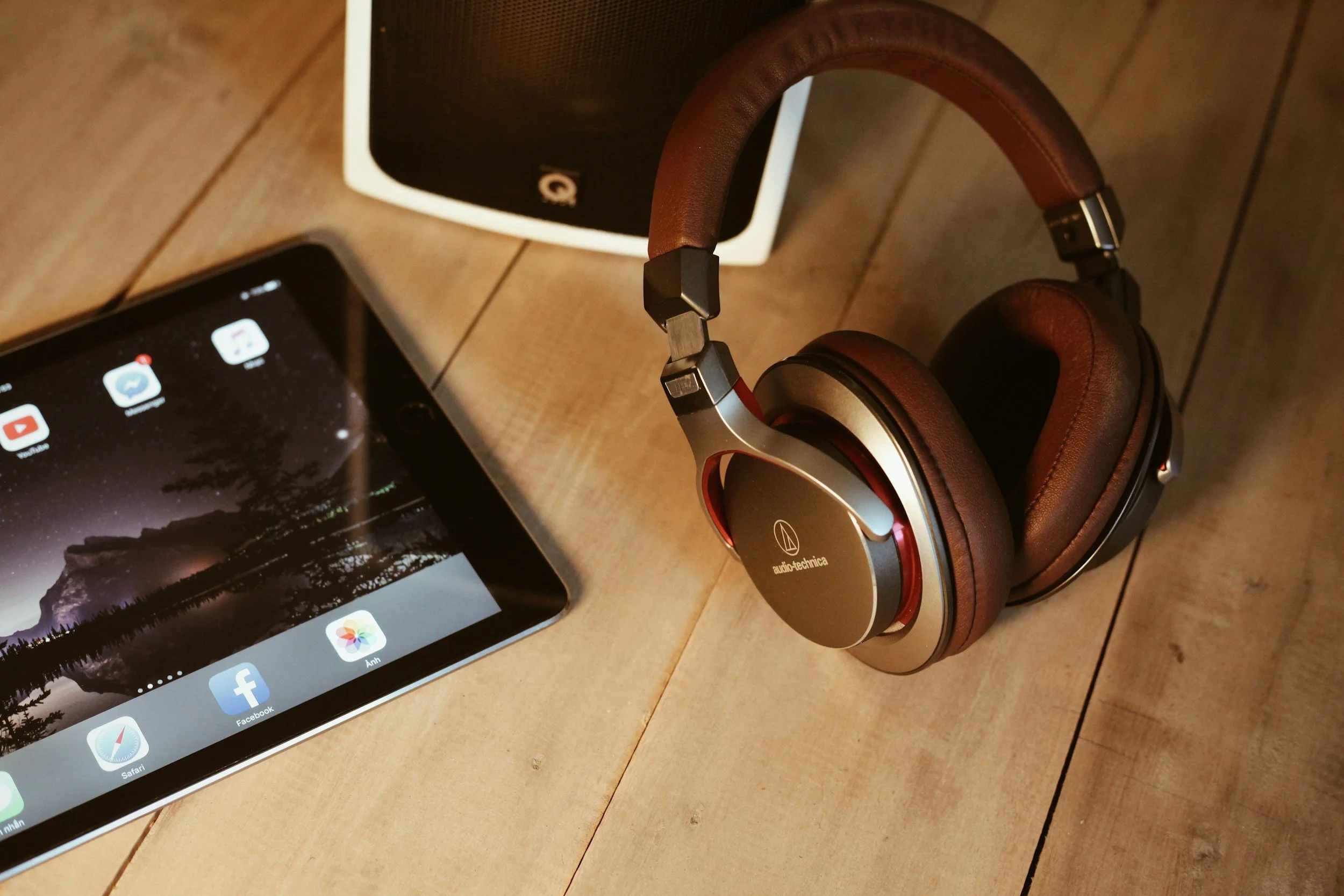
Noise-canceling headphones resting on a table—an essential tool for many autistic individuals managing sensory overload.
Why Noise Sensitivity Happens in Autism
Researchers believe noise sensitivity stems from the way autistic brains process sensory information. Instead of filtering out irrelevant input, the auditory system may:
Process sound at a much higher volume
Detect frequency changes faster
Struggle to adapt to unpredictable environmental noise
Become overwhelmed by sound layering (multiple noises at once)
Functional imaging studies show that autistic individuals often demonstrate increased neural activation when hearing sounds that neurotypical individuals barely register. This heightened awareness isn’t a flaw—it is a neurobiological difference that reflects a more finely tuned sensory system.
If you or your loved one is seeking support for sensory challenges, burnout, overwhelm, or possible autism, Thriving Wellness Center offers neurodiversity-affirming therapy across New Jersey and New York, and virtually, and teen and adult autism evaluations
How Noise Sensitivity Impacts Daily Life
For many autistic people, sound affects far more than comfort—it influences stress, emotional regulation, sleep, work performance, relationships, and overall well-being.
Daily environments can feel unpredictable or overwhelming when a person cannot anticipate or filter sound. A simple trip to the grocery store becomes exhausting if every beep, hum, footstep, or conversation registers at full intensity. Workplaces can be distressing when colleagues talk loudly, doors slam, or typing echoes across the room. Even at home, noise from neighbors, pets, or appliances may lead to irritability, migraines, nervous system overload, or shutdown.
Many of our clients describe feeling “always on alert” in noisy spaces. Over time, this can contribute to chronic stress, burnout, sleep disruption, and avoidance of situations that feel unpredictable or overstimulating.
For more on signs of autism in adults, visit our related post: 10 Signs of Autism in Adults
Reclaim Energy and Self-Acceptance
If you’ve been feeling drained from trying to ‘fit in,’ you’re not alone. Our neurodiversity-affirming therapists in New Jersey and New York specialize in helping autistic adults recover from burnout and reconnect with their authentic selves.
Coping Strategies That Can Help
Noise sensitivity can often be improved with tailored, supportive strategies. These may include:
1. Environmental Adjustments
Noise-reducing curtains, rugs, white noise machines, or strategic room setups can dramatically reduce auditory overload in the home or workplace.
2. Predictability and Control
Understanding when noise will happen and being able to plan around it reduces emotional strain. Many clients benefit from “sensory transition time” before and after noisy events.
3. Nervous System Regulation
Autistic individuals with heightened sensory systems often benefit from nervous-system-based approaches used in therapy (breathwork, grounding, pacing, IFS-informed somatic work, and co-regulation practices).
4. Assistive Tools
Loop Earplugs, noise-canceling headphones, fans, and white noise can help—but we also explore alternatives for clients who experience headphones as painful or overwhelming.
5. Professional Support
A therapist trained in autism and sensory processing can help identify triggers, build coping skills, address burnout, and support emotional regulation.
At Thriving Wellness Center, our neurodiversity-affirming therapists in New Jersey and New York, and virtually, specialize in helping autistic and AuDHD teens and adults.
Contact us to learn more
Noise Sensitivity and the Path to Self-Understanding
For many adults, noise sensitivity is a clue that leads them toward exploring autism or ADHD later in life. If you have long struggled with sound sensitivity, overwhelm, or sensory burnout, a diagnostic evaluation can offer clarity and direction.
At Thriving Wellness Center, we provide comprehensive ASD evaluations + ADHD evaluations for teens and adults, available virtual or in-person.
When to Consider an Autism Evaluation
You may benefit from an evaluation if you experience:
Heightened sensitivity to noise or other sensory input
Difficulty concentrating in typical environments
Emotional dysregulation triggered by sound
Social or communication differences
Chronic burnout or shutdown
Feeling “different” your whole life without a clear explanation
Take the First Step Toward Clarity and Support
Start understanding your neurodiverse profile and access personalized guidance with a comprehensive autism diagnostic evaluation. Whether for work, school, or daily life, our evaluations provide clarity, validation, and actionable recommendations tailored to your needs.
Thriving Wellness Center Is Your Partner in Neurodivergent Support
At Thriving Wellness Center, we provide specialized services for adults across the lifespan who suspect they may be autistic, have ADHD, or both.
We offer:
Comprehensive diagnostic evaluations for Autism Spectrum Disorder and ADHD
Neurodiversity-affirming therapy tailored to your identity and processing style
Executive functioning coaching to reduce overwhelm and build sustainable routines
Sensory and lifestyle support planning to help you regulate energy, reduce burnout, and live more comfortably
Documentation and support for accommodations in the workplace, school, or community settings
Frequently Asked Questions about Autism and Sound Sensitivity
Is noise sensitivity a symptom of autism?
Yes. Noise sensitivity is very common in autism and relates to sensory processing differences. Many autistic people experience sounds as louder, more intense, or harder to filter than others do.
What is the 6 second rule for autism?
The 6 second rule suggests giving autistic individuals extra time to process information or sensory input before responding. This pause supports nervous system regulation and reduces pressure during communication.
What does autism sound sensitivity feel like?
Autism-related sound sensitivity can feel overwhelming or painful. Everyday noises may feel amplified, chaotic, or impossible to ignore, often leading to stress, shutdown, irritability, or exhaustion.
Can you have noise sensitivity without autism?
Yes. Noise sensitivity can occur without autism and may be linked to ADHD, anxiety, trauma, migraines, or sensory processing differences. However, persistent sensory sensitivity can be a clue to explore autism.